Introduction
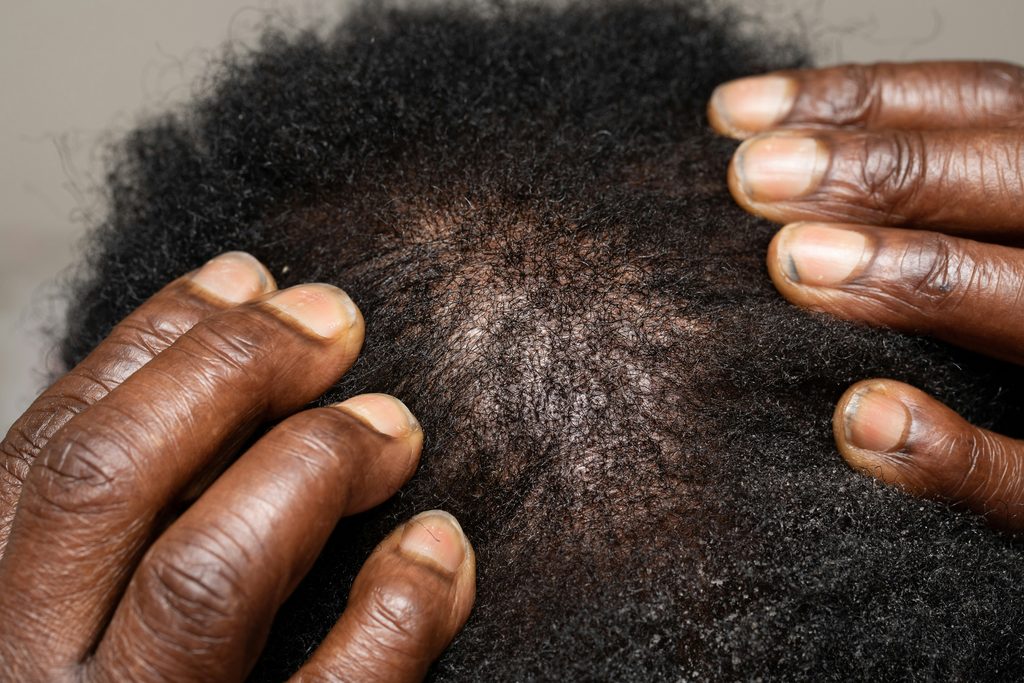
You notice more hair in the shower. Your hairline is receding. Your part is getting wider.
By 40, it’s happening to roughly 50% of men. By 50, it’s happening to two-thirds.
Male pattern baldness isn’t a disease. It’s not a sign of poor health. It’s genetics + hormones + age, a combination that most men will face at some point.
But here’s what most men don’t know: there ARE things that actually work. Not miracle cures. Not expensive treatments. But real, science-backed options that can slow hair loss, regrow some hair, or at least make peace with what’s happening.
This guide breaks down exactly what’s causing your hair loss and what your realistic options actually are.
What Causes Male Pattern Baldness?
Male pattern baldness (androgenetic alopecia) has three requirements:
1. Genetics (The Primary Factor)
If your dad or grandfather went bald, you’re likely to as well.
The genes involved aren’t just from your father — they come from both sides of your family. Your mother’s father’s hair loss is a strong predictor of your own.
Genetics determine:
- When baldness starts (some men at 25, others at 60)
- How fast it progresses
- How much hair you ultimately lose
Important: Genetics isn’t destiny. Having the genes doesn’t guarantee baldness at a specific age — it just makes you susceptible.
2. Androgens (Hormones, Specifically DHT)
The hormone DHT (dihydrotestosterone) is the culprit behind male pattern baldness.
Here’s the mechanism: Some men’s hair follicles are sensitive to DHT. When DHT attaches to receptors in these follicles, it triggers miniaturization — the hair follicle shrinks, producing thinner hair and eventually no hair.
Confusing part: Higher testosterone doesn’t mean more baldness. Some men with low testosterone go bald; some with high testosterone keep their hair. What matters is follicle sensitivity to DHT, which is genetic.
3. Age
Male pattern baldness is age-dependent. It rarely starts before age 20, becomes more common in the 30s-40s, and continues progressing with time.
Age alone doesn’t cause baldness (not everyone goes bald), but it’s a necessary factor in the progression.
Why Hair Loss Accelerates After 40
After 40, male pattern baldness tends to accelerate for three reasons:
1. Cumulative DHT exposure: If you’re genetically sensitive, 40 years of DHT exposure has taken its toll. Miniaturization is already underway.
2. Declining hair growth cycle: Your hair’s growth phase (anagen) gets shorter with age. Hair spends less time growing and more time shedding.
3. Scalp changes: Blood flow to the scalp naturally decreases with age, and collagen production declines. This creates a less-optimal environment for hair growth.
The Stages of Male Pattern Baldness (Norwood Scale)
Hair loss progresses in a predictable pattern, measured by the Norwood Scale:
- Stage 1-2: Minimal recession at the temples
- Stage 3: Noticeable receding hairline
- Stage 4-5: Significant recession, bald patches
- Stage 6-7: Severe baldness, only hair on the sides/back remains
Key insight: Most men stabilize at some point. You won’t necessarily go completely bald — many men keep hair on the sides and back their entire lives.
What Actually Works: Proven Treatments
1. Minoxidil (Rogaine) — Over-the-Counter
What it does: Extends the hair growth cycle, increases blood flow to hair follicles, and can regrow some hair.
Effectiveness:
- Stops hair loss in ~80% of men
- Regrows some hair in ~40% of men
- Works best on the crown; less effective on the hairline
Dosage: 5% solution applied topically twice daily
Timeline: Takes 4-6 months to see results; stops working if you discontinue use
Cost: ~$20-40/month
Side effects: Minimal; occasionally scalp irritation or unwanted facial hair growth
Verdict: Works for many men. Affordable. Worth trying if you’re in early stages of hair loss.
2. Finasteride (Propecia) — Prescription
What it does: Blocks the enzyme that converts testosterone to DHT, reducing DHT levels in the scalp.
Effectiveness:
- Stops hair loss in ~90% of men
- Regrows hair in ~65% of men
- Works better on the crown than the hairline
Dosage: 1 mg daily (prescription required)
Timeline: Takes 3-6 months to see results; must continue indefinitely
Cost: ~$10-30/month with insurance or generic
Side effects:
- Sexual dysfunction (1-3% of men report decreased libido or erectile dysfunction)
- Reduced prostate size (can help with BPH but may lower PSA readings)
- Rare: Gynecomastia (breast enlargement)
Verdict: Most effective option for male pattern baldness. Works for most men. Sexual side effects are rare but real — discuss with your doctor.
3. Combination Therapy (Minoxidil + Finasteride)
Using both together is more effective than either alone.
Why: Minoxidil stimulates growth; finasteride prevents loss. They work on different mechanisms.
Effectiveness: Regrows hair in ~70% of men; superior to either alone
Cost: ~$30-70/month
Timeline: 4-6 months to see results
Verdict: Best chance of regrowing hair if you commit long-term.
4. Hair Transplantation
For advanced baldness (stages 5-7), transplants are an option.
What it is: Moving hair follicles from the back/sides (resistant to DHT) to bald areas
Effectiveness: Permanent results; transplanted hair continues growing
Cost: $3,000-15,000+ depending on extent
Recovery: 2-3 weeks for scabs to heal; full results in 6-12 months
Verdict: Works well for men with enough donor hair. Expensive but permanent option.
5. Low-Level Laser Therapy (LLLT)
Devices like LaserCap claim to stimulate hair growth through red light.
Evidence: Mixed. Some studies show modest benefit; others show no benefit
Cost: $200-3,000+ depending on device
Verdict: Unproven. Not recommended as first-line treatment.
6. Hair Growth Shampoos and Supplements
Most commercial “hair growth” products (biotin, DHT-blocking shampoos, etc.) have minimal evidence.
Why: Topical shampoos don’t penetrate deeply enough. Oral supplements (biotin, saw palmetto) have weak evidence at best.
Verdict: Won’t hurt, but don’t expect dramatic results. If you try them, manage expectations.
Lifestyle Factors That Support Hair Health
While genetics drives male pattern baldness, lifestyle can optimize whatever hair you keep:
Sleep
Poor sleep increases cortisol (stress hormone), which can accelerate hair loss. Aim for 7-9 hours nightly.
Exercise
Regular exercise improves blood flow, reduces stress hormones, and supports overall scalp health. 150 min/week moderate cardio helps.
Nutrition
Hair needs protein, iron, zinc, and B vitamins. Deficiencies can worsen hair loss. Eat:
- Lean protein (chicken, fish, beef)
- Iron-rich foods (spinach, red meat, legumes)
- Zinc sources (oysters, beef, pumpkin seeds)
- Leafy greens for B vitamins
Stress Management
Chronic stress elevates cortisol, which can trigger or worsen hair loss. Meditation, journaling, or therapy can help.
Avoid Smoking
Smoking reduces blood flow and increases oxidative stress, both bad for hair.
Timeline: What to Expect
Month 1-3: Hair shedding may increase (normal; old hairs making way for new growth)
Month 3-6: First signs of stabilization; hair loss slows
Month 6-12: New hair growth visible (finer at first, then thickening)
Month 12+: Continued improvement if you stay consistent
Key: Most treatments take 6+ months to show results. Patience is essential.
Making a Decision: Acceptance vs. Treatment
Male pattern baldness is NOT a medical emergency. You don’t “have to” treat it.
Consider treatment if:
- Hair loss bothers you emotionally
- You’re in early stages (better results)
- You can commit to daily treatment for years
- Side effects (if any) are acceptable to you
Consider acceptance if:
- You’re at peace with your appearance
- You’ve stabilized at a look you can live with
- The cost or side effects don’t appeal to you
- You prefer other uses for your time/money
Real talk: Many men find that shaving their head or embracing baldness is liberating. It’s not a failure — it’s a choice.
FAQ: Common Questions
Q: Will hair regrow if I stop treatment? A: No. If you stop minoxidil or finasteride, hair loss resumes within months.
Q: Can I prevent baldness if my dad went bald? A: You can delay it with finasteride, but you can’t prevent it entirely if you’re genetically predisposed. You can reduce the rate of loss, not eliminate it.
Q: Is male pattern baldness reversible? A: Partially. Early-stage loss can sometimes be reversed with treatment. Advanced baldness (completely bald areas) is harder to reverse.
Q: Do DHT-blocking shampoos work? A: Topical DHT blockers penetrate minimally. Oral finasteride works because it reduces DHT systemically. Shampoos alone are unlikely to make a significant difference.
Q: Is baldness a sign of poor health? A: No. Male pattern baldness is cosmetic, not a health condition. It doesn’t predict heart disease, testosterone levels, or lifespan.
The Bottom Line
Male pattern baldness after 40 is common — you’re not alone.
If it bothers you, options exist. Minoxidil and finasteride work for most men. They require commitment (daily use, 6+ months, ongoing cost), but results are real.
If you’re at peace with it, that’s equally valid. Acceptance is powerful.
Whatever you choose, understand that baldness is not a reflection of your health, masculinity, or worth. It’s a normal part of aging for many men.
Leave a Reply