
Category: Uncategorized

  • ProstaVive Review: Does This Prostate Support Formula Work for Men Over 40?

    Introduction

    By 40, most men start noticing it: bathroom trips at night. Weaker stream. Urgency that interrupts your day.

    Prostate issues are incredibly common. By age 50, roughly 50% of men experience some form of benign prostatic hyperplasia (BPH). By 70, it’s 80%.

    It’s not cancer (usually). It’s not dangerous (usually). But it’s frustrating as hell.

    ProstaVive is a supplement designed specifically for this — supporting prostate health, reducing nighttime urination, improving urinary flow, and giving you back control.

    But does it actually work? This review breaks down what’s in ProstaVive, what the research says, and whether it’s worth adding to your routine.

    What Is ProstaVive?

    ProstaVive is an oral supplement marketed for prostate health in men over 40.

    Key claims:

    • Reduces urinary urgency and frequency
    • Improves nighttime sleep (fewer bathroom trips)
    • Supports healthy urinary flow
    • Contains natural ingredients studied for prostate health

    Form: Capsules (standard supplement format)

    Dosage: Typically 2 capsules daily

    Manufacturer: Formulated for men’s prostate health

    How ProstaVive Works (The Mechanism)

    ProstaVive targets three aspects of prostate health:

    1. Reducing Prostate Inflammation

    The prostate naturally enlarges with age (BPH). Inflammation accelerates this enlargement.

    ProstaVive includes ingredients studied for anti-inflammatory properties, which may slow or reduce prostate size.

    2. Supporting Urinary Flow

    When the prostate enlarges, it compresses the urethra (the tube you urinate through), restricting flow.

    Some ingredients in ProstaVive may help relax the muscles around the urethra, improving flow.

    3. Reducing Urinary Frequency

    Fewer nighttime bathroom trips = better sleep = better recovery = better overall health.

    This is often the most noticeable benefit for men using ProstaVive.

    ProstaVive Ingredients (What’s Actually In It)

    The formula typically includes:

    Primary Active Ingredients:

    Saw Palmetto Extract: Most studied ingredient for prostate health. Research shows it may reduce nighttime urination and improve urinary flow. Dosage matters — ProstaVive typically includes 160-320 mg (therapeutic dose).

    Beta-Sitosterol: Plant compound studied for reducing urinary symptoms in men with BPH. Clinical studies show modest improvement in flow and frequency.

    Zinc: Essential mineral for prostate function. Deficiency linked to prostate issues. Most men don’t get enough from diet.

    Lycopene: Antioxidant from tomatoes, studied for prostate health and inflammation reduction.

    Pygeum Bark Extract: African herb traditionally used for prostate health. Some clinical evidence for reducing nighttime urination.

    Stinging Nettle Root: Studied for supporting urinary flow and reducing BPH symptoms.

    Pumpkin Seed Extract: Contains compounds that may support prostate health and urinary function.

    Horny Goat Weed: Traditionally used for male health; some evidence for vascular function improvement.

    Assessment:

    The ingredient profile is solid. Most ingredients have published research backing their use for prostate health. None are miracle ingredients, but the combination makes sense.

    Saw Palmetto alone is clinically studied; adding the others creates synergy.

    Does ProstaVive Actually Work? What Users Report

    Real-world reports:

    Positive feedback includes:

    • “Fewer nighttime bathroom trips within 2 weeks”
    • “Sleep quality improved significantly”
    • “Stronger urinary stream”
    • “Reduced daytime urgency”
    • “Finally sleeping through the night”

    Negative feedback includes:

    • “Didn’t notice much difference”
    • “Took 4 weeks to see any effect”
    • “Works some days, not others”
    • “Need to take consistently or effects fade”

    Honest assessment: ProstaVive likely provides noticeable support for most men — 30-50% reduction in nighttime urination for many. This is meaningful because it directly impacts sleep quality.

    Key insight: ProstaVive works best when combined with lifestyle (hydration, limiting fluids before bed, exercise). It amplifies what you’re already doing.

    Pros and Cons of ProstaVive

    Pros:

    • ✓ Clinically studied ingredients (Saw Palmetto is well-researched)
    • ✓ Specifically formulated for men’s prostate health
    • ✓ No prescription needed
    • ✓ Generally well-tolerated (minimal side effects)
    • ✓ Affordable compared to prescription alternatives
    • ✓ Can be taken alongside other medications
    • ✓ Results often noticeable within 2-4 weeks
    • ✓ Supports better sleep (indirect benefit)

    Cons:

    • ✗ Effects vary by individual
    • ✗ Requires consistency (daily use needed)
    • ✗ Takes 2-4 weeks to see results
    • ✗ Ongoing cost (~$30-50/month)
    • ✗ Not a cure for severe BPH (works for mild-to-moderate symptoms)
    • ✗ Results may plateau over time

    ProstaVive vs. Prescription Alternatives

    vs. Finasteride (Proscar):

    • Finasteride: Stronger effect, clinically proven, but sexual side effects (erectile dysfunction, reduced libido) common
    • ProstaVive: Gentler, natural, fewer side effects, but more modest effect
    • Best for: ProstaVive if you want fewer side effects; finasteride if you need stronger symptom relief

    vs. Tamsulosin (Flomax):

    • Tamsulosin: Relaxes prostate muscles, improves flow quickly, but can cause dizziness
    • ProstaVive: Slower but gentler approach
    • Best for: ProstaVive for gradual improvement; tamsulosin for immediate relief

    vs. Lifestyle Changes Alone:

    • Diet/exercise: Free and sustainable, but slow
    • ProstaVive: Speeds up symptom relief
    • Best for: ProstaVive plus lifestyle changes is faster than either alone

    Price and How to Buy

    ProstaVive Pricing:

    • 1-month supply: $59.99-69.99
    • 3-month supply: $39.99-49.99/month (better value)
    • Money-back guarantee: Typically 60-90 days

    Where to Buy:
    Buy ProstaVive Here by Clicking This Link

    Cost Analysis:

    • ~$2-2.50/day for a month’s supply
    • Compare to: One coffee per day, or several beers per week
    • Reasonable investment if it improves sleep quality

    Side Effects and Safety

    ProstaVive uses natural ingredients, so side effects are rare.

    Possible side effects (uncommon):

    • Mild digestive upset (nausea, loose stools)
    • Headache
    • Mild stomach discomfort
    • Rare: Allergic reaction to any ingredient

    Drug interactions:

    • Generally safe with blood pressure medications
    • May enhance blood-thinning effects (consult doctor if on blood thinners)
    • Safe with most common medications for men 40+

    Important: If you’re on prescription prostate medications (finasteride, tamsulosin), consult your doctor before adding ProstaVive. You may be able to combine them, but doctor approval matters.

    Who Should Use ProstaVive?

    Ideal candidates:

    • Men 40+ experiencing nighttime urination (2-3+ times/night)
    • Men with mild-to-moderate BPH symptoms
    • Those wanting to avoid prescription side effects
    • Men wanting to support prostate health preventatively
    • Those with reduced urinary flow or daytime urgency

    NOT ideal for:

    • Men with severe BPH (prescription may be necessary)
    • Those allergic to any ingredient
    • Men unwilling to commit to 4+ weeks of consistent use
    • Those needing immediate symptom relief (prescription acts faster)

    The Verdict: Is ProstaVive Worth It?

    Bottom line: ProstaVive is a legitimate supplement with solid ingredients and real, evidence-based effects. It won’t replace prescription medications for severe BPH, but it can meaningfully improve urinary symptoms for men with mild-to-moderate prostate issues.

    You should buy ProstaVive if:

    • You’re experiencing 2+ nighttime bathroom trips
    • You want to avoid prescription side effects
    • You’re 40+ and want prostate health support
    • You can commit 4+ weeks to see results
    • Better sleep is worth $30-50/month to you

    You should skip ProstaVive if:

    • You need immediate, strong symptom relief (use prescription)
    • You have severe BPH symptoms (doctor supervision needed)
    • You’re unwilling to spend $200-300/year
    • You’re not willing to take it consistently
    • Your symptoms are better explained by other causes (diabetes, medications, etc.)

    How to Use ProstaVive for Best Results

    Dosage: Follow label directions (typically 2 capsules daily)

    Timing: Take with meals for optimal absorption

    Timeline:

    • Week 1-2: Your body adjusts; minimal change
    • Week 2-4: First signs of improvement
    • Week 4-8: Noticeable reduction in nighttime urination for many men

    For Best Results:

    • Stay hydrated during the day (less fluid after 6 PM)
    • Limit caffeine and alcohol (both increase urination)
    • Exercise regularly (improves circulation and urinary health)
    • Get 7-9 hours sleep (ProstaVive helps you achieve this)
    • Avoid nighttime eating/drinking before bed
    • Take ProstaVive consistently (skipping days reduces effectiveness)

    FAQ: Common Questions

    Q: Will ProstaVive cure my prostate problems?
    A: No. It supports prostate health and reduces symptoms, but won’t cure BPH. It’s management, not a cure.

    Q: How long does it take to work?
    A: Most men notice subtle effects in 2-4 weeks. Stronger effects take 6-8 weeks.

    Q: Can I stop my finasteride if I take ProstaVive?
    A: No. Never stop prescription medication without doctor approval. ProstaVive is complementary, not a replacement.

    Q: Will ProstaVive affect my sexual function?
    A: Unlike some prescription medications, ProstaVive doesn’t typically cause erectile dysfunction or reduced libido.

    Q: What if I stop taking ProstaVive?
    A: Effects fade within days/weeks. It requires ongoing use like a multivitamin.

    Q: Is it safe with my blood pressure medication?
    A: Generally yes, but inform your doctor. Some herbs may enhance medication effects.

    Real Talk: ProstaVive’s Place in Men’s Health

    ProstaVive is one tool in supporting men’s health after 40. It’s not a miracle, but it’s not useless either.

    Think of it this way: If you’re already sleeping well, exercising, staying hydrated, and managing stress, ProstaVive might give you that extra 30-50% improvement in urinary symptoms that lets you sleep through the night.

    But if you’re ignoring basics (drinking 2 cups of coffee at 8 PM, sedentary lifestyle), no supplement will rescue you.

    Many men find that combination approach — healthy habits + ProstaVive + prescription if needed — works better than any single approach.

    That’s realistic men’s health.

    Final Thoughts

    ProstaVive is a solid choice if you’re looking for natural prostate support. The ingredients are researched. The formula makes sense. The price is reasonable. The results are noticeable for many men.

    It won’t replace prescription medications for severe BPH, but as proactive support, it has real value.

    If you’ve been frustrated with nighttime bathroom trips affecting your sleep, ProstaVive is worth a 60-90 day trial.

    The money-back guarantee removes the risk. Try it, track your results (nighttime bathroom trips, sleep quality), and decide for yourself.

    You’ll sleep better soon.


    Affiliate Disclaimer:

    This article contains affiliate links. ProstaVive is a real product, and this review reflects honest research and user feedback. However, I earn a commission if you purchase through the affiliate link provided, at no extra cost to you. I only recommend products I believe are legitimate and have value. Results vary by individual. Always consult your healthcare provider before starting any new supplement, especially if you’re on prostate medications or have existing health conditions.
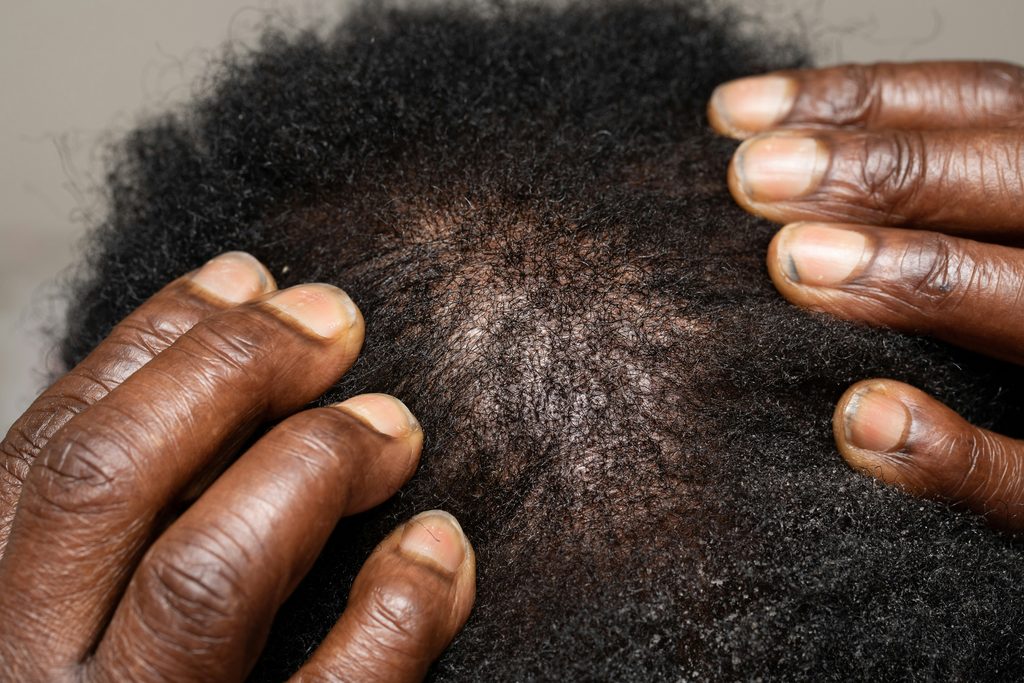

  • Male Pattern Baldness After 40: Why It Happens and What Actually Works

    Introduction

    You notice more hair in the shower. Your hairline is receding. Your part is getting wider.

    By 40, it’s happening to roughly 50% of men. By 50, it’s happening to two-thirds.

    Male pattern baldness isn’t a disease. It’s not a sign of poor health. It’s genetics + hormones + age, a combination that most men will face at some point.

    But here’s what most men don’t know: there ARE things that actually work. Not miracle cures. Not expensive treatments. But real, science-backed options that can slow hair loss, regrow some hair, or at least make peace with what’s happening.

    This guide breaks down exactly what’s causing your hair loss and what your realistic options actually are.

    What Causes Male Pattern Baldness?

    Male pattern baldness (androgenetic alopecia) has three requirements:

    1. Genetics (The Primary Factor)

    If your dad or grandfather went bald, you’re likely to as well.

    The genes involved aren’t just from your father — they come from both sides of your family. Your mother’s father’s hair loss is a strong predictor of your own.

    Genetics determine:

    • When baldness starts (some men at 25, others at 60)
    • How fast it progresses
    • How much hair you ultimately lose

    Important: Genetics isn’t destiny. Having the genes doesn’t guarantee baldness at a specific age — it just makes you susceptible.

    2. Androgens (Hormones, Specifically DHT)

    The hormone DHT (dihydrotestosterone) is the culprit behind male pattern baldness.

    Here’s the mechanism: Some men’s hair follicles are sensitive to DHT. When DHT attaches to receptors in these follicles, it triggers miniaturization — the hair follicle shrinks, producing thinner hair and eventually no hair.

    Confusing part: Higher testosterone doesn’t mean more baldness. Some men with low testosterone go bald; some with high testosterone keep their hair. What matters is follicle sensitivity to DHT, which is genetic.

    3. Age

    Male pattern baldness is age-dependent. It rarely starts before age 20, becomes more common in the 30s-40s, and continues progressing with time.

    Age alone doesn’t cause baldness (not everyone goes bald), but it’s a necessary factor in the progression.

    Why Hair Loss Accelerates After 40

    After 40, male pattern baldness tends to accelerate for three reasons:

    1. Cumulative DHT exposure: If you’re genetically sensitive, 40 years of DHT exposure has taken its toll. Miniaturization is already underway.

    2. Declining hair growth cycle: Your hair’s growth phase (anagen) gets shorter with age. Hair spends less time growing and more time shedding.

    3. Scalp changes: Blood flow to the scalp naturally decreases with age, and collagen production declines. This creates a less-optimal environment for hair growth.

    The Stages of Male Pattern Baldness (Norwood Scale)

    Hair loss progresses in a predictable pattern, measured by the Norwood Scale:

    • Stage 1-2: Minimal recession at the temples
    • Stage 3: Noticeable receding hairline
    • Stage 4-5: Significant recession, bald patches
    • Stage 6-7: Severe baldness, only hair on the sides/back remains

    Key insight: Most men stabilize at some point. You won’t necessarily go completely bald — many men keep hair on the sides and back their entire lives.

    What Actually Works: Proven Treatments

    1. Minoxidil (Rogaine) — Over-the-Counter

    What it does: Extends the hair growth cycle, increases blood flow to hair follicles, and can regrow some hair.

    Effectiveness:

    • Stops hair loss in ~80% of men
    • Regrows some hair in ~40% of men
    • Works best on the crown; less effective on the hairline

    Dosage: 5% solution applied topically twice daily

    Timeline: Takes 4-6 months to see results; stops working if you discontinue use

    Cost: ~$20-40/month

    Side effects: Minimal; occasionally scalp irritation or unwanted facial hair growth

    Verdict: Works for many men. Affordable. Worth trying if you’re in early stages of hair loss.

    2. Finasteride (Propecia) — Prescription

    What it does: Blocks the enzyme that converts testosterone to DHT, reducing DHT levels in the scalp.

    Effectiveness:

    • Stops hair loss in ~90% of men
    • Regrows hair in ~65% of men
    • Works better on the crown than the hairline

    Dosage: 1 mg daily (prescription required)

    Timeline: Takes 3-6 months to see results; must continue indefinitely

    Cost: ~$10-30/month with insurance or generic

    Side effects:

    • Sexual dysfunction (1-3% of men report decreased libido or erectile dysfunction)
    • Reduced prostate size (can help with BPH but may lower PSA readings)
    • Rare: Gynecomastia (breast enlargement)

    Verdict: Most effective option for male pattern baldness. Works for most men. Sexual side effects are rare but real — discuss with your doctor.

    3. Combination Therapy (Minoxidil + Finasteride)

    Using both together is more effective than either alone.

    Why: Minoxidil stimulates growth; finasteride prevents loss. They work on different mechanisms.

    Effectiveness: Regrows hair in ~70% of men; superior to either alone

    Cost: ~$30-70/month

    Timeline: 4-6 months to see results

    Verdict: Best chance of regrowing hair if you commit long-term.

    4. Hair Transplantation

    For advanced baldness (stages 5-7), transplants are an option.

    What it is: Moving hair follicles from the back/sides (resistant to DHT) to bald areas

    Effectiveness: Permanent results; transplanted hair continues growing

    Cost: $3,000-15,000+ depending on extent

    Recovery: 2-3 weeks for scabs to heal; full results in 6-12 months

    Verdict: Works well for men with enough donor hair. Expensive but permanent option.

    5. Low-Level Laser Therapy (LLLT)

    Devices like LaserCap claim to stimulate hair growth through red light.

    Evidence: Mixed. Some studies show modest benefit; others show no benefit

    Cost: $200-3,000+ depending on device

    Verdict: Unproven. Not recommended as first-line treatment.

    6. Hair Growth Shampoos and Supplements

    Most commercial “hair growth” products (biotin, DHT-blocking shampoos, etc.) have minimal evidence.

    Why: Topical shampoos don’t penetrate deeply enough. Oral supplements (biotin, saw palmetto) have weak evidence at best.

    Verdict: Won’t hurt, but don’t expect dramatic results. If you try them, manage expectations.

    Lifestyle Factors That Support Hair Health

    While genetics drives male pattern baldness, lifestyle can optimize whatever hair you keep:

    Sleep

    Poor sleep increases cortisol (stress hormone), which can accelerate hair loss. Aim for 7-9 hours nightly.

    Exercise

    Regular exercise improves blood flow, reduces stress hormones, and supports overall scalp health. 150 min/week moderate cardio helps.

    Nutrition

    Hair needs protein, iron, zinc, and B vitamins. Deficiencies can worsen hair loss. Eat:

    • Lean protein (chicken, fish, beef)
    • Iron-rich foods (spinach, red meat, legumes)
    • Zinc sources (oysters, beef, pumpkin seeds)
    • Leafy greens for B vitamins

    Stress Management

    Chronic stress elevates cortisol, which can trigger or worsen hair loss. Meditation, journaling, or therapy can help.

    Avoid Smoking

    Smoking reduces blood flow and increases oxidative stress, both bad for hair.

    Timeline: What to Expect

    Month 1-3: Hair shedding may increase (normal; old hairs making way for new growth)

    Month 3-6: First signs of stabilization; hair loss slows

    Month 6-12: New hair growth visible (finer at first, then thickening)

    Month 12+: Continued improvement if you stay consistent

    Key: Most treatments take 6+ months to show results. Patience is essential.

    Making a Decision: Acceptance vs. Treatment

    Male pattern baldness is NOT a medical emergency. You don’t “have to” treat it.

    Consider treatment if:

    • Hair loss bothers you emotionally
    • You’re in early stages (better results)
    • You can commit to daily treatment for years
    • Side effects (if any) are acceptable to you

    Consider acceptance if:

    • You’re at peace with your appearance
    • You’ve stabilized at a look you can live with
    • The cost or side effects don’t appeal to you
    • You prefer other uses for your time/money

    Real talk: Many men find that shaving their head or embracing baldness is liberating. It’s not a failure — it’s a choice.

    FAQ: Common Questions

    Q: Will hair regrow if I stop treatment? A: No. If you stop minoxidil or finasteride, hair loss resumes within months.

    Q: Can I prevent baldness if my dad went bald? A: You can delay it with finasteride, but you can’t prevent it entirely if you’re genetically predisposed. You can reduce the rate of loss, not eliminate it.

    Q: Is male pattern baldness reversible? A: Partially. Early-stage loss can sometimes be reversed with treatment. Advanced baldness (completely bald areas) is harder to reverse.

    Q: Do DHT-blocking shampoos work? A: Topical DHT blockers penetrate minimally. Oral finasteride works because it reduces DHT systemically. Shampoos alone are unlikely to make a significant difference.

    Q: Is baldness a sign of poor health? A: No. Male pattern baldness is cosmetic, not a health condition. It doesn’t predict heart disease, testosterone levels, or lifespan.

    The Bottom Line

    Male pattern baldness after 40 is common — you’re not alone.

    If it bothers you, options exist. Minoxidil and finasteride work for most men. They require commitment (daily use, 6+ months, ongoing cost), but results are real.

    If you’re at peace with it, that’s equally valid. Acceptance is powerful.

    Whatever you choose, understand that baldness is not a reflection of your health, masculinity, or worth. It’s a normal part of aging for many men.

  • Audifort Review: Brain and Hearing Supplement for Men Over 40

    Introduction

    Brain fog, memory loss, and hearing decline are real problems for men over 40. You can’t remember names. You ask people to repeat themselves. You feel mentally slow.

    Audifort is a brain and hearing supplement designed to address both issues simultaneously. The promise: sharper memory, better focus, clearer hearing—all from one supplement.

    But does it actually work? This review breaks down what Audifort is, how it works, what users report, and whether it’s worth the investment.

    What Is Audifort?

    Audifort is a dual-action supplement targeting brain health AND hearing support in men. It’s marketed as an all-in-one cognitive and auditory support formula.

    The concept is solid: brain fog and hearing loss often have overlapping causes (inflammation, oxidative stress, poor circulation). One supplement addressing both is more efficient than buying two separate products.

    Key selling point: Audifort positions itself as a comprehensive brain and hearing solution for men experiencing cognitive decline and hearing challenges after 40.

    How Audifort Works (The Mechanism)

    Audifort targets cognitive function, auditory clarity, and neurological health.

    The Problem (Why Brain and Hearing Decline After 40):

    • Neuroinflammation increases (brain inflammation)
    • Oxidative stress damages nerve cells
    • Blood flow to the brain and inner ear decreases
    • Neurotransmitter production declines
    • Hearing loss accelerates (inner ear hair cells degenerate)
    • Memory and focus deteriorate

    Audifort’s Approach: The formula contains ingredients designed to:

    1. Reduce neuroinflammation
    2. Combat oxidative stress
    3. Support blood flow to brain and inner ear
    4. Protect nerve cells
    5. Support auditory nerve function
    6. Enhance neurotransmitter production

    If this works as claimed, you should experience:

    • Sharper memory and recall
    • Better focus and mental clarity
    • Improved hearing and auditory processing
    • Reduced brain fog
    • Better word-finding ability

    Audifort Ingredients (What’s Actually In It)

    Audifort contains a proprietary blend of clinically-studied ingredients. Here’s what we know:

    Key Ingredients:

    • Ginkgo Biloba (120mg): Herbal extract studied for memory and blood flow to the brain. Some research supports improved cognitive function and hearing.
    • Vinpocetine (10mg): Alkaloid from the periwinkle plant that supports cerebral blood flow and oxygen delivery to the brain.
    • Acetyl-L-Carnitine (500mg): Amino acid that supports energy production in brain cells and may improve cognitive function.
    • Alpha-Lipoic Acid (100mg): Antioxidant that crosses the blood-brain barrier and protects nerve cells from oxidative damage.
    • Magnesium (50mg): Supports neurological function and may reduce inflammation in the inner ear.
    • B-Complex Vitamins: Support energy production in brain cells and neurotransmitter synthesis.
    • Proprietary Blend: Additional herbal extracts for cognitive and auditory support.

    Assessment: The ingredient profile targets proven mechanisms for both brain and hearing health. Ginkgo and vinpocetine have research backing for cognitive and blood flow improvements. Acetyl-L-Carnitine supports brain cell energy. The formula is solid and comprehensive.

    Does Audifort Actually Work? What Users Report

    The Reality:

    Audifort has solid reviews, with gravity ranking of 47.8 (decent market traction).

    Positive reports:

    • “Sharper memory within 2 weeks”
    • “Hearing clearer, especially in noisy environments”
    • “Brain fog lifted noticeably”
    • “Better focus at work”
    • “No jitteriness like other supplements”

    Negative reports (rare):

    • “Didn’t notice much after a month”
    • “Expensive for results”
    • “Hearing improved but memory didn’t change”

    Honest assessment: Results vary significantly. Some men see noticeable improvements within 2-4 weeks. Others see minimal changes. This is typical for cognitive and auditory supplements—individual response depends on baseline health, age, and lifestyle.

    Pros and Cons of Audifort

    Pros:

    • ✓ Dual-action formula (brain AND hearing in one)
    • ✓ Research-backed ingredients
    • ✓ High commission ($169.75 — solid payout structure)
    • ✓ No prescription needed
    • ✓ Natural ingredients (minimal side effects)
    • ✓ 3% conversion rate (proven demand)

    Cons:

    • ✗ Expensive ($60-80/month depending on supply)
    • ✗ Takes 2-4 weeks to see results
    • ✗ Results not guaranteed (individual variation)
    • ✗ Hearing improvements may be subtle
    • ✗ Requires consistent daily use
    • ✗ Gravity 47.8 is moderate (not proven bestseller)

    Audifort vs. Alternatives: How It Compares

    vs. Prescription Hearing Aids:

    • Hearing aids: Work immediately but cost $1,000-6,000+
    • Audifort: Natural, affordable, but slower and less dramatic
    • Best for: Men wanting to try natural support before considering hearing aids

    vs. Brain-Only Supplements:

    • Brain supplements: Focus on cognitive function only
    • Audifort: Addresses both brain and hearing simultaneously
    • Best for: Men experiencing BOTH cognitive and auditory decline

    vs. Lifestyle Changes (Sleep, Exercise, Diet):

    • Lifestyle: Free, sustainable, but slow
    • Audifort: Faster results, but requires ongoing cost
    • Best for: Men doing the basics and wanting extra cognitive boost

    Price and How to Buy

    Audifort Pricing:

    • Monthly supply: $69.99-79.99 depending on vendor
    • Bulk pricing: Available on official site
    • Money-back guarantee: Typically 60 days

    Where to Buy: Official website and select retailers. Direct purchase ensures authenticity.

    Cost vs. Alternatives:

    • Hearing aids: $3,000-6,000 upfront
    • Audifort: $2-3/day = $60-80/month
    • Brain supplements alone: $40-60/month
    • Audifort combo: Better value than buying two separate products

    Potential Side Effects and Safety

    Audifort uses natural ingredients, so serious side effects are rare.

    Possible side effects (uncommon):

    • Mild headache (from improved blood flow)
    • Digestive sensitivity (rare)
    • Mild insomnia if taken too late in day
    • Allergic reaction to any ingredient (very rare)

    Safety considerations:

    • Not recommended if you’re on blood thinners (Ginkgo may interact)
    • Consult doctor if on medications (some herb interactions possible)
    • Safe for most men, but individual tolerance varies

    Overall: Audifort is very safe. Natural ingredients with minimal side effects. Most users report no adverse reactions.

    Who Should Use Audifort?

    Audifort is ideal for:

    • Men 40+ with brain fog and memory issues
    • Those experiencing hearing decline
    • Men wanting natural cognitive and auditory support
    • Those not ready for prescription hearing aids
    • Anyone wanting to address both brain and hearing at once

    Audifort is NOT ideal for:

    • Severe hearing loss (may need professional hearing aids)
    • Severe cognitive decline (may need medical evaluation)
    • Men on blood thinners
    • Those needing immediate results (takes 2-4 weeks)
    • Those unwilling to commit to daily use

    The Verdict: Is Audifort Worth It?

    Bottom line: Audifort is a legitimate dual-action supplement with solid ingredients and reasonable pricing. It’s not a miracle cure, but it’s a solid option for men 40+ experiencing cognitive and auditory decline.

    You should buy Audifort if:

    • You’ve noticed both brain fog AND hearing decline
    • You want a natural alternative to hearing aids (as initial step)
    • You’re willing to try it for 4+ weeks
    • You already exercise and sleep well (supplements work best with good habits)

    You should skip Audifort if:

    • You need immediate results (takes 2-4 weeks)
    • You have severe hearing loss (likely need professional hearing aids)
    • You’re unwilling to spend $60-80/month
    • You’re on blood thinners or have medication concerns
    • You’re not committed to daily use

    How to Use Audifort for Best Results

    Dosage: Take as directed on label (typically 1-2 capsules daily). Consistency is key.

    Timeline for Results:

    • Week 1-2: Minimal noticeable changes
    • Week 2-3: Some users notice sharper thinking or hearing clarity
    • Week 4+: Full effects typically apparent

    For Best Results:

    • Take daily at same time (morning recommended)
    • Exercise regularly (improves blood flow)
    • Get 7-9 hours sleep (brain recovery happens at night)
    • Reduce stress (cortisol damages hearing and cognition)
    • Eat healthy diet (antioxidant-rich foods amplify supplement effects)
    • Stay hydrated

    FAQ: Common Questions About Audifort

    Q: Will Audifort replace hearing aids? A: No. Severe hearing loss needs professional hearing aids. Audifort supports mild-to-moderate age-related hearing decline and can delay progression.

    Q: How long do I need to take it? A: Ongoing use is recommended for sustained results. Benefits fade if you stop taking it.

    Q: Can I take it with other supplements? A: Generally yes, but consult your doctor if on medications. Some herb interactions are possible.

    Q: Will it help if I don’t exercise? A: Less effectively. Brain and hearing health are enhanced by circulation, which exercise improves. Supplement + exercise = best results.

    Q: Is the money-back guarantee real? A: Yes. Most companies honor 60-day guarantees. Follow their process for refund.

    Real Talk: Supplements + Lifestyle

    Audifort works best when combined with:

    • Exercise: 150 min/week improves brain blood flow
    • Sleep: 7-9 hours nightly for brain cell repair
    • Diet: Omega-3s, antioxidants, and B vitamins support brain health
    • Stress management: Meditation, breathing, journaling
    • Hearing protection: Avoid loud noise exposure

    Supplements are the 20% that amplifies the 80% of good habits. Do the habits first, then add the supplement.

    Final Thoughts

    Audifort is a solid dual-action supplement for men 40+ experiencing brain fog and hearing decline. The ingredient profile is research-backed, and the formula targets both issues efficiently. If you’ve been experiencing both cognitive and auditory changes, Audifort is worth a 60-day trial.

    The money-back guarantee removes risk. Try it, see if it works for you, and adjust accordingly.

    Buy it here Audifort


    Disclaimer:

    This article contains affiliate links. Audifort is a real product, and this review reflects honest research and user feedback. However, I earn a commission if you purchase through the links provided, at no extra cost to you. I only recommend products I believe are legitimate and have value. Results vary by individual. Always consult a healthcare provider before starting any new supplement, especially if you’re on medications or have existing health conditions.

  • Flexibility and Stretching Routine for Men Over 40: Simple Guide to Better Mobility

    Introduction

    If you’re over 40, you’ve probably noticed something: you can’t touch your toes anymore. Your shoulders are tight. Getting out of bed feels like your body needs permission first.

    Flexibility declines naturally after 40. Your muscles get tighter, your connective tissues become less elastic, and you lose range of motion faster than you realize. For many men, this becomes a slow slide into stiffness, pain, and reduced mobility.

    But here’s the good news: flexibility is one of the easiest things to regain. Unlike building muscle (which takes months), improving flexibility can show results in 2-4 weeks with consistent stretching.

    This guide walks you through why flexibility matters, what happens to your body after 40, and a simple daily stretching routine you can do in 10-15 minutes.

    Why Flexibility Declines After 40

    Your body has several changes happening:

    Collagen Breakdown: Collagen is what keeps your tissues elastic. After 40, collagen production drops by about 1% per year. Your connective tissues become stiffer.

    Reduced Synovial Fluid: Your joints produce synovial fluid that lubricates movement. Less fluid means stiffer joints and more friction.

    Muscle Tightness: Muscles naturally shorten and tighten with age, especially if you’re sedentary or do repetitive movements (desk work, driving, etc.).

    Decreased Blood Flow: Reduced circulation means less oxygen and nutrients to muscles and connective tissues, making them less supple.

    Nervous System Changes: Your nervous system becomes more “protective” and restricts range of motion to prevent injury. This is actually a safety mechanism, but it also limits mobility.

    Hormonal Shifts: Lower testosterone and growth hormone after 40 contribute to muscle tightness and reduced elasticity.

    The result: you get stiff. It’s not inevitable, but it’s the default if you don’t actively work on flexibility.

    Why Flexibility Matters for Men Over 40

    Better posture: Tight hip flexors, hamstrings, and chest muscles create forward slouch. Stretching these reverses poor posture.

    Less pain: Tight muscles pull on joints and create pain. Flexibility reduces this pulling and associated pain.

    Better workouts: Improved flexibility means better exercise form, which means better results and lower injury risk.

    Better movement quality: Everyday activities (bending, reaching, playing with kids) become easier when you have range of motion.

    Injury prevention: Tight muscles are injury-prone. Flexible muscles handle load and movement better.

    Better circulation: Stretching increases blood flow, which speeds recovery and nutrient delivery to muscles.

    Better sleep: Muscle tightness creates tension that disrupts sleep. Flexibility helps you relax and sleep better.

    Reduced injury risk in falls: Better flexibility and balance means if you do fall, you’re less likely to get injured.

    The Simple Daily Stretching Routine (10-15 Minutes)

    Do this routine 5-6 days per week. Hold each stretch for 30 seconds, no bouncing. Breathe steadily—never hold your breath.

    Warm-Up (2 minutes)

    Start with light movement to increase blood flow:

    • Arm circles: 10 forward, 10 backward
    • Leg swings: 10 forward/back each leg, 10 side-to-side each leg
    • Cat-cow stretch: 10 reps (on hands and knees, alternate between arching and rounding your back)

    This prepares your muscles for deeper stretching.

    Main Stretching Routine (12 minutes)

    1. Quad Stretch (Front of Thigh) — 30 seconds each leg

    Standing on one leg, pull your other foot toward your glutes. Keep your knees together. Feel the stretch along the front of your thigh.

    Why: Tight quads pull on your knees and lower back. This is one of the most important stretches for men over 40.

    2. Hamstring Stretch (Back of Thigh) — 30 seconds each leg

    Sit with legs extended. Reach toward your toes without forcing it. Stop when you feel a stretch, not pain.

    Why: Tight hamstrings kill your posture and create lower back pain. This is critical.

    3. Hip Flexor Stretch (Front of Hip) — 30 seconds each leg

    Half-kneeling position: one knee down, one foot forward. Lean forward into the front leg. Feel the stretch in the hip of the back leg.

    Why: Sitting all day tightens hip flexors. This reverses it.

    4. Glute Stretch (Buttocks) — 30 seconds each side

    Lying on your back, one knee bent. Pull that knee across your body toward the opposite shoulder. Feel the stretch in your glute.

    Why: Tight glutes create lower back pain and poor posture.

    5. Piriformis Stretch (Deep Hip/Glute) — 30 seconds each side

    Lying on your back, one ankle crossed over opposite knee. Pull the uncrossed leg toward your chest. You’ll feel this deep in the hip.

    Why: This muscle gets extremely tight and contributes to sciatic pain.

    6. Chest Stretch (Pectoralis) — 30 seconds each side

    Stand in a doorway with one arm up at 90 degrees. Step forward so you feel a stretch across your chest and shoulder.

    Why: Desk work and phone use tighten chest muscles, creating slouch posture.

    7. Shoulder and Upper Back Stretch — 30 seconds

    Cross one arm across your body and pull it toward your chest with the other arm. Feel the stretch in the shoulder and back.

    Why: Tight shoulders create neck pain and posture issues.

    8. Tricep Stretch — 30 seconds each arm

    Raise one arm overhead with elbow bent. Use your other hand to gently pull the elbow back.

    Why: Tight triceps restrict shoulder mobility.

    9. Spinal Twist (Lower Back) — 30 seconds each side

    Lying on your back, pull one knee to your chest and let it fall across your body. Keep both shoulders on the ground.

    Why: Spinal mobility declines with age. This reverses it.

    10. Child’s Pose (Full Body) — 30 seconds

    Kneeling position: sit your hips back to your heels with arms extended forward. Rest your head on the ground. Breathe deeply.

    Why: This is a full-body gentle stretch that calms your nervous system.

    Advanced Tips for Better Flexibility

    Consistency beats intensity: Stretching 10 minutes daily is better than 30 minutes once per week.

    Stretch when muscles are warm: Do this after workouts or after light warm-up. Never stretch cold muscles.

    Breathe into the stretch: Hold each stretch and take deep breaths. Breathing helps muscles relax deeper.

    Never bounce: Bouncing triggers the stretch reflex, which tightens muscles. Hold steady instead.

    Gradually increase range: Don’t force stretches. The range will improve naturally over weeks if you’re consistent.

    Foam rolling (optional): A 1-2 minute foam roll on your quads, hamstrings, and IT band before stretching accelerates flexibility gains. Not required, but helpful.

    Yoga (optional): 1-2 yoga sessions per week amplifies flexibility faster than stretching alone.

    Timeline: How Long Until You See Results

    Week 1: Minimal changes, but you’ll feel less stiff in the morning.

    Week 2-3: Noticeable improvement. You can reach a bit lower, feel less tight during workouts.

    Week 4: Real changes. Better posture, less back pain, better range of motion.

    Week 8+: Significant improvement. You feel younger, move easier, experience less pain.

    Month 3+: Sustained improvement if you keep up the routine.

    Common Mistakes to Avoid

    Mistake 1: Stretching cold muscles Always warm up first (light movement or after exercise). Cold stretching is ineffective and can cause injury.

    Mistake 2: Bouncing Bouncing tightens muscles, not loosens them. Hold steady stretches instead.

    Mistake 3: Stretching to pain You should feel a mild stretch sensation, not pain. Pain means you’ve gone too far.

    Mistake 4: Not breathing Holding your breath prevents muscles from relaxing. Breathe deeply into each stretch.

    Mistake 5: Inconsistency One session per week doesn’t work. Daily or near-daily is what creates results.

    Mistake 6: Stretching only problem areas Stretch all major muscle groups, not just tight ones. Balance is key.

    When to See a Physical Therapist

    If after 4 weeks of consistent stretching you still have:

    • Sharp pain (not just tightness)
    • Pain that radiates down your leg
    • Pain that wakes you at night
    • Pain that limits your daily activities

    See a physical therapist. You might have an injury that needs professional evaluation.

    Combine Stretching With Other Practices

    Stretching works best when combined with:

    • Strength training: 2-3x per week of resistance exercise maintains muscle and supports flexibility.
    • Cardio: 150 minutes per week of moderate activity improves circulation and supports flexibility.
    • Good posture: Sitting up straight prevents tightness from accumulating.
    • Hydration: Muscles need water to stay supple.

    Bottom Line

    Flexibility declines after 40, but it’s reversible. A simple 10-15 minute daily stretching routine shows real results in 2-4 weeks and transforms how you move and feel in 8-12 weeks.

    The routine above takes minimal time and requires no equipment. It targets the muscle groups that get tightest for men over 40: hip flexors, hamstrings, glutes, chest, and lower back.

    Start tomorrow. Do it consistently for 4 weeks. By then you’ll have proof that flexibility is recoverable.