
Testosterone plays a central role in a man’s strength, energy, and sex drive. According to Mayo Clinic, testosterone levels begin to gradually decline after age 40. That decline is normal — feeling run down and unlike yourself does not have to be.
This article is the action plan: what you actually do, day to day, to support healthy testosterone levels. It is not a symptoms checklist — if you are asking whether your symptoms could be low testosterone, read our low testosterone symptoms guide and then get tested. Nor is it a food list. It covers the lifestyle levers you control, what to skip, and when a doctor needs to be involved.
Medical disclaimer: This article is for education only and is not medical advice. Low testosterone is diagnosed by repeated morning blood tests, not by symptoms alone. If you think you may have low testosterone, see a doctor and get tested rather than trying to treat yourself. Testosterone replacement therapy is a medical decision with real risks and monitoring requirements.
1. Train With Resistance, and Move Every Day
Resistance training sits at the top of this list. Mayo Clinic’s guidance on lifestyle and testosterone puts regular exercise, including strength training, at the centre of what men can control. Lifting weights, using resistance bands, or doing bodyweight training gives your body a reason to maintain muscle — and muscle is tied to strength, metabolism, and how capable you feel as you age.
A practical approach for a man over 40:
- Two to four resistance sessions a week, covering the major muscle groups.
- Compound movements first — squats or leg presses, rows, presses, deadlift variations — scaled to your joints and experience.
- Progressive effort: slightly more weight, more repetitions, or better control than last week.
- Daily walking on top of training — underrated, free, and easy on the joints.
Cardio still matters for heart health and weight control, and the two work better together than either alone. Consistency beats intensity: a moderate programme you follow all year does more than an extreme one you quit in a month with sore knees. Train hard enough to challenge yourself, and recover properly between sessions.
2. Lose Belly Fat if You Are Carrying It
Excess body fat, especially around the waist, works against testosterone directly. Fat tissue contains an enzyme called aromatase, which converts some testosterone into oestrogen. In plain language: the more belly fat a man carries, the more of his testosterone gets converted into a different hormone. Losing fat removes part of that conversion pressure.
Crash diets are a poor answer. Severe calorie restriction and rapid weight loss often cost muscle as well as fat, and leave you feeling worse. Aim instead for steady, sustainable fat loss built on the habits in this article: training, enough food to support it, good sleep, and less alcohol. Treat weight as a long game — you are changing the environment your hormones operate in, and that environment changes gradually, with your habits.
3. Fix Your Sleep Before You Buy Anything
Testosterone is produced largely during sleep, so short nights and broken sleep work against you night after night. Untreated sleep apnoea matters here too: it is common in men over 40, fragments sleep all night, and no supplement will fix it. If you snore heavily, wake unrefreshed, or your partner notices pauses in your breathing, raise it with your doctor.
Build the basics first:
- Keep regular sleep and wake times, including at weekends.
- Keep the bedroom dark, cool, and quiet; keep screens out of the last part of the evening where you can.
- Cut caffeine earlier in the day if you are sensitive to it.
- Never use alcohol as a nightcap — it may help you fall asleep, but it worsens sleep quality.
If tiredness is your main problem, it has many causes beyond testosterone — our article on why you are tired all the time works through the wider picture.
4. Get Stress Under Control
Under sustained pressure, your body produces more cortisol, the main stress hormone. Cortisol and testosterone pull in opposite directions: a body constantly in stress mode is prioritising survival, not muscle, sex drive, or recovery. Long hours, money worries, family pressure, and poor sleep stack together, which is why stress and sleep are best treated as one problem, not two.
What helps is unglamorous: the regular exercise you are already doing, daylight and time outside during the day, a real stopping point to the working day where your situation allows it, and not carrying every problem alone. Persistent low mood, anxiety, or stress that does not lift deserves a conversation with a doctor, not just willpower. And be honest about load — if your week is permanently overloaded, no supplement fixes that. Reducing the load, where you can, is a health intervention in itself.
5. Eat Well, and Correct Genuine Deficiencies
Food itself gets one short paragraph here, deliberately: base your meals on whole foods, eat enough protein to support training, include healthy fats, and do not chronically under-eat — a man who trains while under-fuelled sends his body the opposite signal to the one he wants. For specific foods and meal ideas, see our testosterone-foods guide, which covers that ground in full.
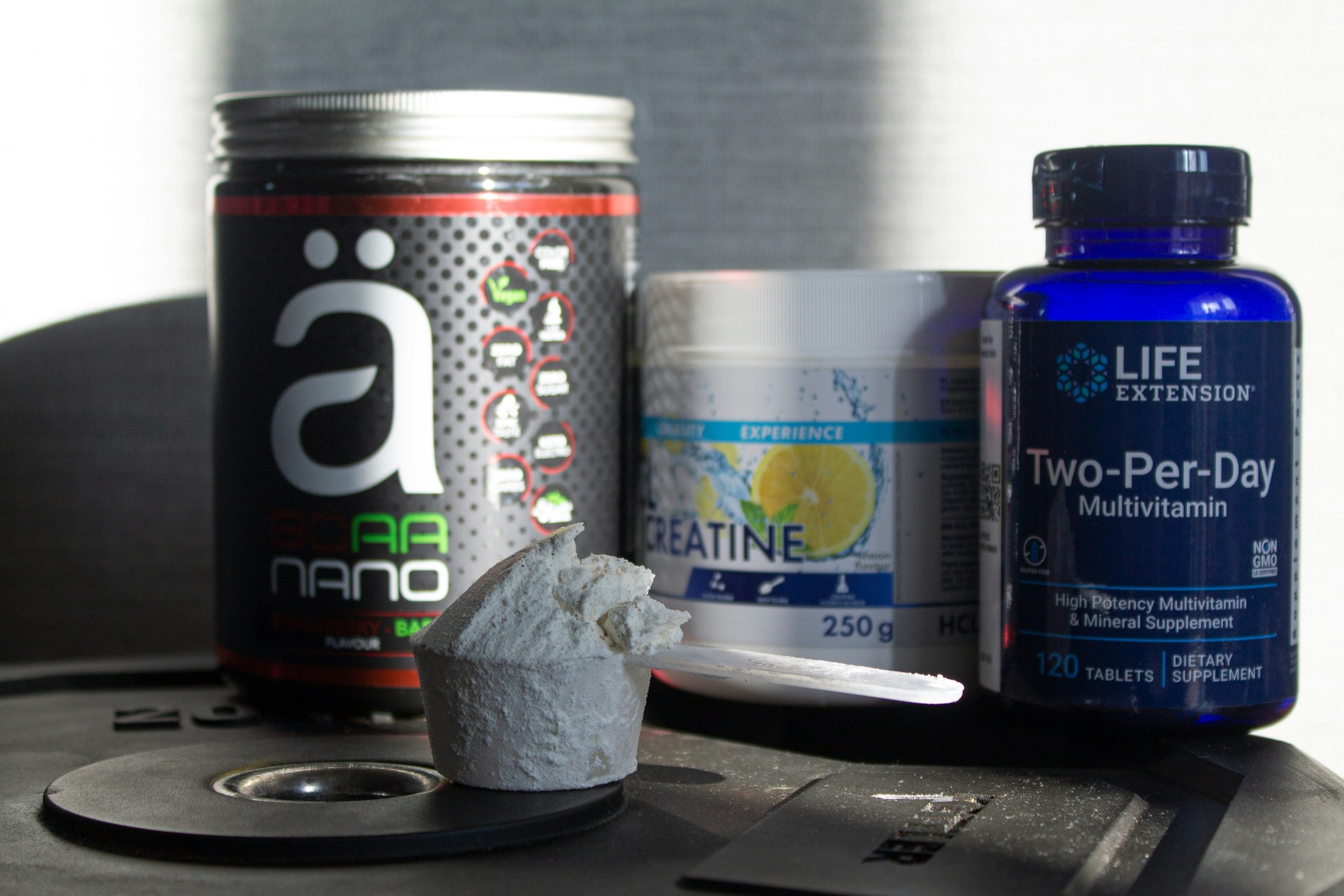
The part that belongs in this action plan is deficiencies. Vitamin D, zinc, and magnesium come up repeatedly in this conversation, and the honest framing matters: if you are genuinely deficient in a nutrient, correcting that deficiency supports normal hormone production. If you are not deficient, taking more does not push testosterone above its normal range — a supplement tops up a gap; it does not act like a drug. So test rather than guess, supplement only a known gap at sensible doses, and use our Best Supplements for Men Over 40 guide to judge any product before spending money on it.
6. Cut Back on Alcohol
Alcohol works against testosterone through several routes at once: it interferes with hormone production, it damages sleep quality even when it helps you fall asleep, and its calories make belly fat harder to shift. Heavy drinking is the worst case, but regular evening drinking still undermines the training, sleep, and weight goals above.
You do not have to become teetotal unless you want to. Steps that help: several alcohol-free days each week; a limit set before you start, not while you are drinking; and no alcohol as a sleep aid. If cutting down repeatedly fails, treat that as a health issue worth discussing with your doctor, without embarrassment. This is one of the highest-value changes on the list precisely because it improves sleep, weight, and hormones at the same time.
7. What Not to Waste Money On
Search this topic and you will be sold “testosterone boosters” within minutes — capsules built on bold labels and promises the evidence does not support. For most over-the-counter boosters, the evidence in healthy men is weak, mixed, or based on small studies showing no meaningful change in testosterone. Some products have also been found to contain ingredients not listed on the label. None of them fix poor sleep, excess body fat, or untreated low testosterone.
DHEA and similar hormone-adjacent products deserve the same caution: the evidence for a reliable benefit is mixed at best, and anything that genuinely alters hormone levels is treatment territory — a conversation for a doctor, not a checkout page.
Apply a simple test to any product in this category: if it promises a dramatic result, needs no testing, and cannot point to solid evidence in men like you, your money is better spent on food, training, and a blood test. For an evidence-led look at what is actually worth considering, see our Best Supplements for Men Over 40 guide.
8. When to See a Doctor, and What Testing Involves
If symptoms persist once sleep, training, weight, and stress are addressed, see a doctor rather than guessing — our low testosterone symptoms guide will help you describe what you are experiencing. Testing is straightforward:
- Testosterone is highest in the morning, so blood is usually drawn early in the day, often fasting.
- One low result is not a diagnosis. Levels vary day to day, so the test should be repeated on a separate morning to confirm before low testosterone is diagnosed.
- A good work-up also looks for other causes of the same symptoms — thyroid problems, anaemia, depression, sleep apnoea, and medication effects — because treating the real cause matters more than chasing one number.
- If low testosterone is confirmed, treatment is a medical conversation. Testosterone replacement has real risks, requires ongoing monitoring, and is not suitable for every man. That decision belongs with your doctor, based on your results and health history.
Do not start any hormone treatment based on symptoms, an online quiz, or a single home test. Get the repeated morning blood tests done first.
Frequently Asked Questions
Can lifestyle changes really raise testosterone?
They support healthy testosterone levels and address the common reasons levels suffer after 40 — excess belly fat, poor sleep, inactivity, heavy drinking, and chronic stress. They are the right first step for most men. If levels are clinically low, lifestyle alone may not be enough, which is why testing matters.
What is the fastest way to increase testosterone naturally?
There is no honest fast route, and anything promising one is selling you something. Training, fat loss, sleep, and less alcohol work gradually as the habits bed in. That slowness is what real, sustainable change looks like.
Do testosterone booster supplements work?
For most products, the evidence is weak or mixed, and none substitute for the basics or for medical treatment when it is needed. Some also carry quality risks, including unlisted ingredients. Redirect that money to food, training, sleep, and a proper blood test.
How do I know if my testosterone is actually low?
Only a blood test can tell you, and a low result should be confirmed with a repeat test on a separate morning, because levels fluctuate. Symptoms alone are not enough — they overlap with many other conditions. If symptoms persist, book the test rather than treating yourself.
The Bottom Line
How to increase testosterone naturally comes down to a short list done consistently: lift and move regularly, lose belly fat steadily, sleep properly, manage stress, eat well and correct genuine deficiencies, and drink less. Skip the boosters. Get tested if symptoms persist. The foundations are what your hormones are actually built on — and they improve your health whether or not testosterone turns out to be your problem.